
Drain Cleaning in Cuyahoga Falls
Slow sinks, gurgling tubs, floor drains that back up on laundry day: we clear the line, find out why it clogged, and tell you plainly whether it is likely to come back.
How We Clear a Drain
Most clogs sit in the last few feet of a fixture’s drain: hair and soap in a bathroom sink or tub, grease and food scraps in a kitchen line, lint in a laundry standpipe. Those clear with a hand auger or a small cable machine through the drain opening or the trap. Then we run enough water to prove the line is really open, not just draining a little faster than before.
A clog further down is a different job. When a floor drain backs up, a toilet bubbles while the washer empties, or several fixtures slow down together, the blockage is in the main drain or the sewer line. That line gets cleared from the main cleanout with a larger machine and a cutting head sized to the pipe.
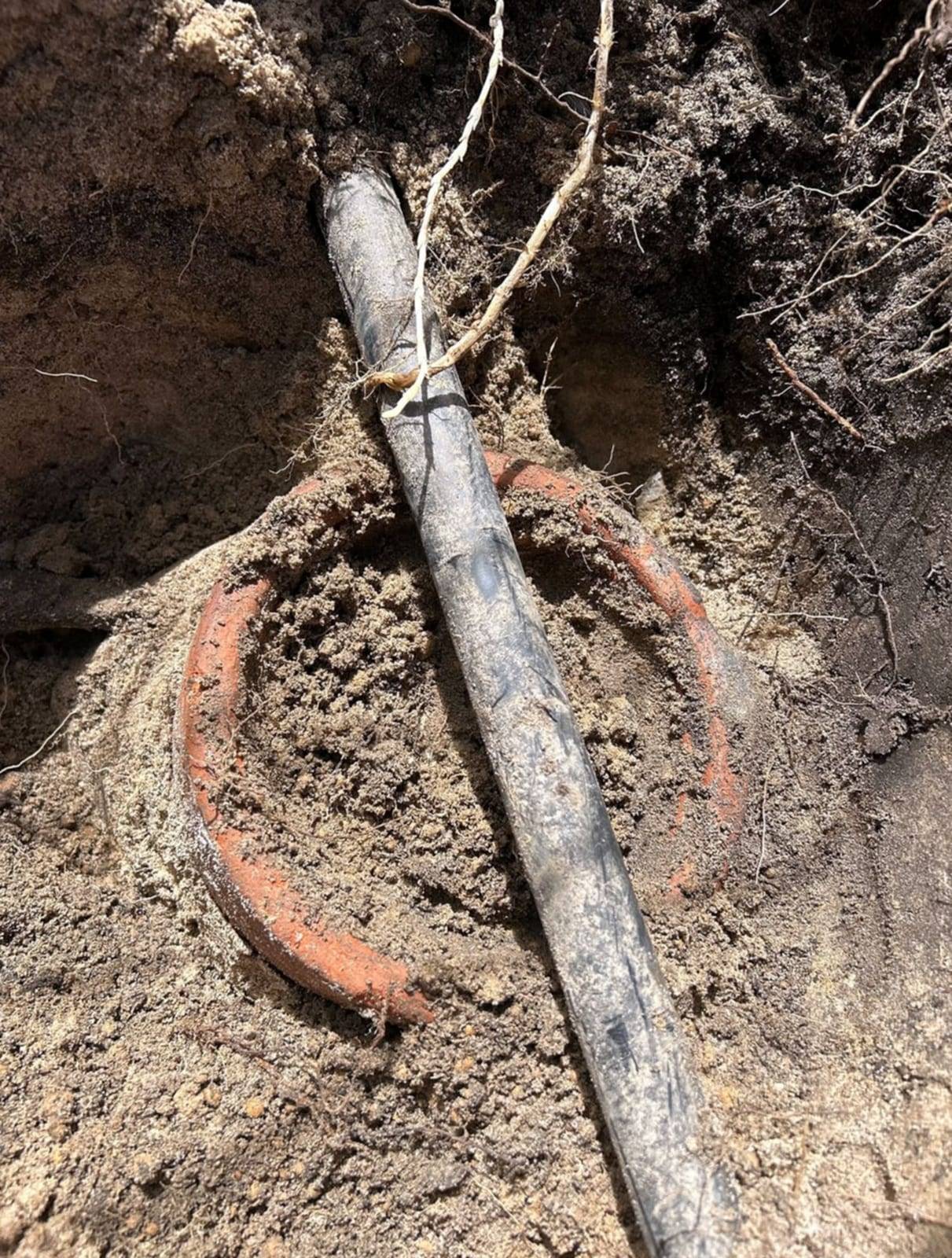
Drain cleaning is one of the jobs Declan does most. A clog that comes back is a symptom, not bad luck: usually roots at a joint, a sag in the pipe, or decades of buildup inside old cast iron. If that is what we find, we show you and explain it before suggesting anything more, and every job is quoted upfront.
Drain Symptoms, Causes and Fixes
Match what you are seeing to the likely cause. The last column is what we do about it on the visit.
| Symptom | Likely Cause | Our Fix |
|---|---|---|
| Slow kitchen or bathroom sink | Grease and food scraps in a kitchen line; hair and soap scum in a bathroom sink or its trap | Clear the trap and branch line with a hand auger or cable machine, then flush it and test the flow |
| Gurgling tub, shower or toilet | A partial clog further down the line, or a blocked plumbing vent pulling air through the traps | Clear the drain; if it still gurgles with the line open, check the vent |
| A clog that keeps coming back | Roots at a pipe joint, a sag that holds debris, or heavy scale inside old cast iron | Clear the line, then look inside the pipe so you know the cause before deciding on a repair |
| Sewer smell in the basement | A dried-out floor drain trap, a loose cleanout cap or a failed toilet wax ring | Refill the trap, reseal the cap or reset the toilet; if the smell stays, check for a cracked drain pipe |
| Floor drain backs up when the washer empties | A partial blockage in the main drain line | Clear the main from the cleanout and check the line for roots or damage |
Before the Visit
A few minutes of preparation saves time on the job and keeps a small backup from becoming a big one.
- Clear the area under the sink. Take out cleaning products and bins so we can reach the trap and the shutoff valves.
- Note which fixtures are affected. One drain or several? Upstairs or only the basement? Does it happen when the washer or dishwasher runs?
- Skip the chemical drain cleaner. Caustic cleaners rarely clear a real clog, they are hard on older pipes and traps, and they leave the water in the line dangerous to work in. If you already used one, tell us which.
- Find the main cleanout. In most basements it is a capped 3- or 4-inch pipe near the front wall, where the main drain leaves the house, sometimes set in the floor. Clear a few feet around it.
- Hold off on running water. If drains are backing up, skip laundry, the dishwasher and long showers until the line is clear.
Drain Clogs: Common Questions
Can tree roots really get into my drain line?
Yes, and in older neighborhoods they are one of the most common reasons a main line keeps clogging. Clay tile and older cast-iron sewer pipe have joints every few feet, and roots find the moisture at those joints. Cutting them out clears the line, but they grow back, because the opening is still there. When roots keep returning, the lasting fix is repairing or lining the section where they get in. See sewer line repair.
Is hydro-jetting better than snaking a drain?
They do different jobs. A cable machine, the snake, punches through a clog and cuts it, which is what most household drains need. Hydro-jetting scours the pipe wall with high-pressure water, which suits heavy grease in a kitchen line or root fines left after cutting. It is not right for every pipe: high pressure can make a cracked clay joint or thin, corroded cast iron worse. Declan will tell you which method fits your line and why before anything is scheduled.
My house has old cast-iron drains. Is drain cleaning safe for them?
Yes, with the right cutting head and a careful hand. Cast iron rusts from the inside, and over the decades the scale narrows the pipe and catches paper and grease. We open the line without forcing a cutter that is too big for the pipe. If the pipe is cracked or badly scaled, you will hear that from us, along with whether it can wait.
How can I keep my drains from clogging?
Keep grease out of the kitchen sink by wiping pans into the trash, use a hair catcher in tubs and showers, and do not flush wipes, even the ones sold as flushable. A floor drain that rarely sees water needs a bucket poured into it every few months, so its trap does not dry out and let sewer gas into the basement.
Related Pages
Drain Backing Up?
Call Declan, tell him which drains are slow, and get a straight answer and an upfront price.