
Before Winter: Frozen Pipe Prevention
Northeast Ohio cold snaps freeze pipes in crawlspaces, garages and outside walls every winter. A little work in the fall prevents most of it, and knowing what to do when a pipe freezes keeps the damage small.
Where Pipes Freeze, and Why They Burst
Pipes freeze where cold air reaches them: crawlspaces and unheated garages, outside walls (kitchen sinks on an exterior wall are the classic case), the rim joist of a basement where the floor framing sits on the foundation, attics, and outdoor spigots.
The pipe usually does not split where the ice forms. The ice blocks the line, pressure builds between the ice and the closed faucet, and the pipe gives way there. That is why a burst often shows up only when things thaw and water starts flowing again.
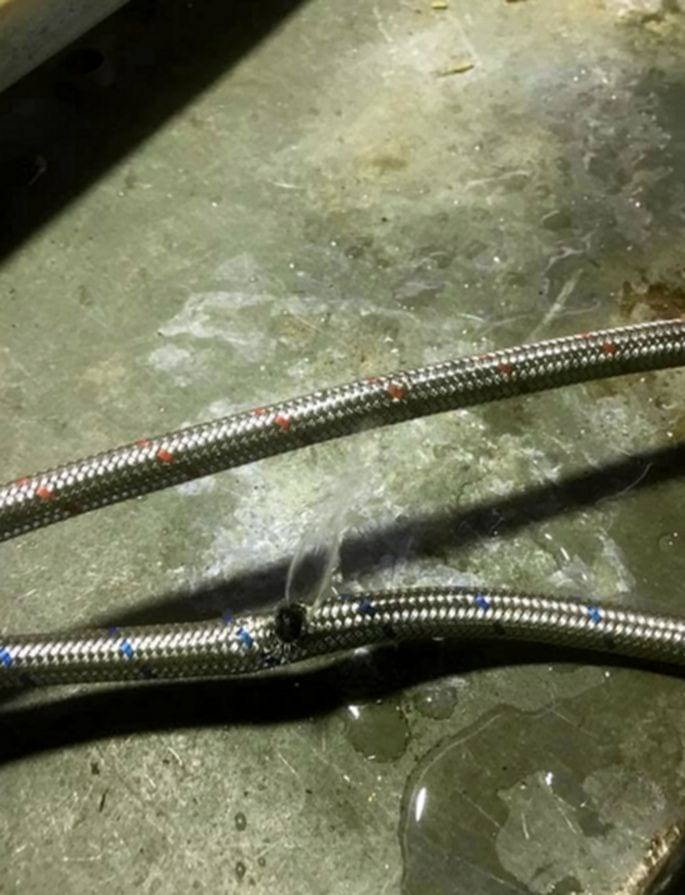
Most prevention is simple and cheap: insulation on exposed runs, sealing the drafts that blow on them, disconnecting hoses and keeping the house warm. Where a pipe freezes winter after winter, the permanent fix is to move it into a heated space, protect it properly or replace an old spigot with a frost-free one. That is fall work, best done before the first cold snap rather than during one.
Frozen Pipe Symptoms, Causes and Fixes
Signs that a pipe has frozen, or froze and split, in the order people usually notice them.
| Symptom | Likely Cause | Our Fix |
|---|---|---|
| No water from a faucet on a cold morning | Ice blocking the supply pipe, usually in an outside wall, a crawlspace or a garage | Thaw the line safely, check it for splits and protect the spot that froze |
| Banging or clanking pipe sounds | Water slamming against an ice plug or moving ice as the line thaws, or a loose pipe knocking against framing | Find the frozen section or the loose run, then protect it or strap it down |
| Visible frost on a pipe | The pipe is at or below freezing and may already be partly blocked | Warm the space gently, open the faucet, then insulate the run and seal the draft reaching it |
| Water stains or dripping after a thaw | A pipe or fitting that split while frozen and now leaks with water flowing again | Shut off the water, find the split, repair the section and protect it from the next freeze |
Check Your Risk
Every house has a weak spot or two. Answer three questions about the pipe you are worried about, and the checker tells you how likely it is to freeze and what to do about it.
Frozen Pipe Risk Checker
Answer for the one pipe you are worried about. Run it again for each problem spot.
Pick your answers and press Check My Risk.
Before the Visit: If a Pipe Is Frozen
You can often thaw a pipe yourself. If you cannot find the frozen spot or reach it, call (330) 406-3048.
- Locate the main shutoff. Know where it is before you start thawing. A split pipe leaks the moment the ice melts.
- Keep the faucet open slightly. Open the faucet the frozen pipe feeds. Moving water helps melt the ice, and the open tap relieves pressure.
- Apply gentle heat if you can reach the pipe. A hair dryer, a heating pad or warm towels, working from the faucet back toward the frozen section.
- Avoid open flame. No torches, propane heaters or candles. They start fires inside walls and can overheat a pipe until it bursts.
- Open the cabinet doors. Under sinks on outside walls, let the warm air of the room reach the pipes.
Winter Prep: Common Questions
Do I need to insulate my pipes?
Any pipe in an unheated space, or against an outside wall or the rim joist in a basement, should have foam pipe insulation. Insulation slows heat loss but does not add heat, so in a crawlspace or garage it works best together with sealing the drafts that blow on the pipe. For a pipe that still freezes, heat cable made for water pipes, installed according to its instructions, is the next step.
How warm should I keep the house while I am away?
Keep the heat at 55°F or higher, even for a weekend, and leave the cabinet doors open under sinks on outside walls. For a longer winter trip, shut off the main water valve and open a faucet to drain the pressure, and ask someone to check on the house.
What do I do when a pipe bursts?
Shut off the main water valve right away, then open the lowest faucet in the house to drain what is left in the lines. If water is near outlets or the electrical panel, stay out of it, and shut off power to that area only if you can do it safely. Move belongings out of the way, take photos for your insurance company, and call (330) 406-3048. Declan tries to get back to people the same day, and a burst pipe is one of the calls that comes first.
Are frost-free spigots really frost-free?
Mostly. A frost-free sillcock closes the water off inside the heated wall, so the part outside drains empty. The catch is a hose left connected: it traps water in the valve body, and the valve splits inside the wall, often unnoticed until spring. Disconnect the hoses every fall.
Related Pages
Frozen or Burst Pipe in Cuyahoga Falls?
Shut off the main valve if water is leaking, then call Declan. Or book a fall visit to protect the pipes that froze last year.