
New Property Plumbing Inspection in Cuyahoga Falls
Buying a house, or just moved in? A plumber’s look at the pipes, drains and water heater tells you what you have, what is wearing out and what can wait, before it surprises you.
What a Plumbing Inspection Covers
A general home inspection checks the plumbing in passing: it runs the faucets, looks under the sinks and notes anything obvious. A plumbing inspection goes further. We identify what the supply and drain pipes are made of, test the shutoffs, check the water pressure, read the water heater’s age, run every fixture and drain, and look for signs of past leaks on ceilings, basement walls and around toilet bases.
That matters most in older homes. Many houses around Cuyahoga Falls were updated in stages over the decades, so one house can have galvanized pipe in one wall, copper in the basement and PEX in a remodeled bathroom.
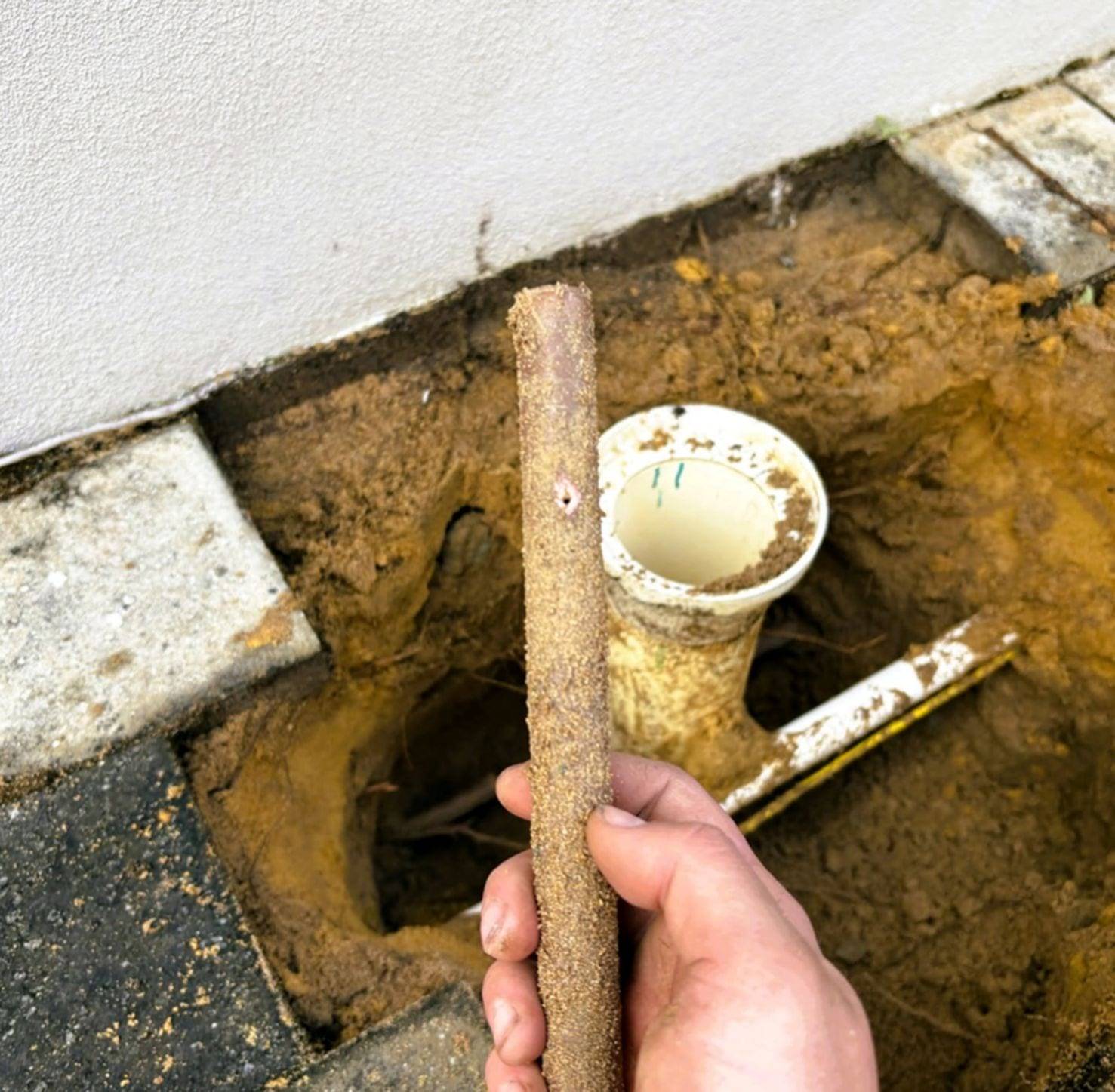
Declan has worked on enough older Cleveland-area homes to recognize what came first and what was patched in later. You get a plain-language rundown of what we found: what is fine, what to watch and what should be fixed soon, with an upfront price for any repair. Nobody pushes you to fix everything at once.
What We Check
The inspection follows the water from where it enters the house to where it leaves.
| Area | What We Check |
|---|---|
| Main shutoff and meter | Whether the valve opens and closes, the pipe material entering the house, signs of leaks |
| Water pressure | Static pressure measured at a hose spigot or laundry tap |
| Supply piping | Galvanized, copper, PEX or polybutylene; corrosion; old repairs and where materials meet |
| Drain and vent piping | Cast iron, galvanized drain or plastic; cracks, slow sections and venting at the fixtures |
| Water heater | Age from the serial number, tank condition, venting, relief valve and its discharge pipe |
| Fixtures | Faucets, toilets, tubs and showers for leaks, flushing and drainage |
| Main drain and sewer line | All drains run together to test the main; a look inside the line recommended for older homes with mature trees |
Common Findings, Causes and Fixes
These are the questions a new owner most often cannot answer, and how the inspection answers them.
| Symptom | Likely Cause | Our Fix |
|---|---|---|
| Unknown pipe material | Decades of updates and repairs with whatever pipe was in use at the time | Identify the pipe at the meter, in the basement and at the fixtures, and note where materials meet |
| Water stains with no obvious source | A slow leak from a supply line, a drain, a toilet seal or a shower pan | Run water at the fixtures above the stain and trace the leak to its source |
| Slow drains throughout the house | Buildup or roots in the main drain or the sewer line | Test every drain together and recommend clearing the main or a look inside the line |
| Undocumented water heater age | An original or unrecorded heater | Read the age from the serial number, check the tank, venting and relief valve, and estimate its remaining life |
Before the Visit
A little paperwork and clear access let us spend the visit on the plumbing.
- Gather the inspection reports. The general home inspection, the seller’s disclosure and any past plumbing invoices you have.
- Locate the shutoff and the water heater. If you are still buying, ask the agent to make sure we can reach both.
- List the known problem areas. Anything the home inspector flagged, a slow drain you noticed at a showing, a stain on a ceiling.
- Confirm basement or crawlspace access. Boxes stacked against the foundation walls hide the very pipes we need to see.
Older Cuyahoga Falls Homes: Common Questions
What kind of pipe is in an older Cuyahoga Falls home?
It depends on when the house was built and what has been redone since. Houses from before about 1960 were commonly built with galvanized steel water lines, cast-iron drains and a clay tile sewer line outside. Copper took over for water lines after that, and plastic drain pipe became standard later. Most older houses now have a mix, which is exactly what an inspection sorts out.
Should I have the sewer line checked before I buy?
If the house is older and has mature trees between it and the street, it is worth it. A general home inspection does not look inside the sewer line, and a failing line is one of the most expensive surprises a house can have. Our sewer line page explains what can go wrong.
Is galvanized pipe a deal-breaker?
Not by itself. It means the water lines are probably near the end of their life, so plan for repiping in the next few years and budget for it. We can tell you how far along the pipe is and quote the work, so you know the number before you close. See pipe repair and repiping.
Can you inspect a rental or a commercial property?
Yes. The same inspection works for a rental house you are buying or a small commercial building. Tell us what the property is when you call, so we plan the right amount of time.
Related Pages
Buying or Just Bought a House?
Call Declan with the address and your closing date. You get a straight account of the plumbing and an upfront price for anything that needs work.